


Archiphorus
The trail, located southeast of the town of Serra San Bruno, will allow us to immerse ourselves in a beautiful and evocative mixed forest of silver fir and beech, admire rare species and encounter evidence of historical memory on the way.
Route info
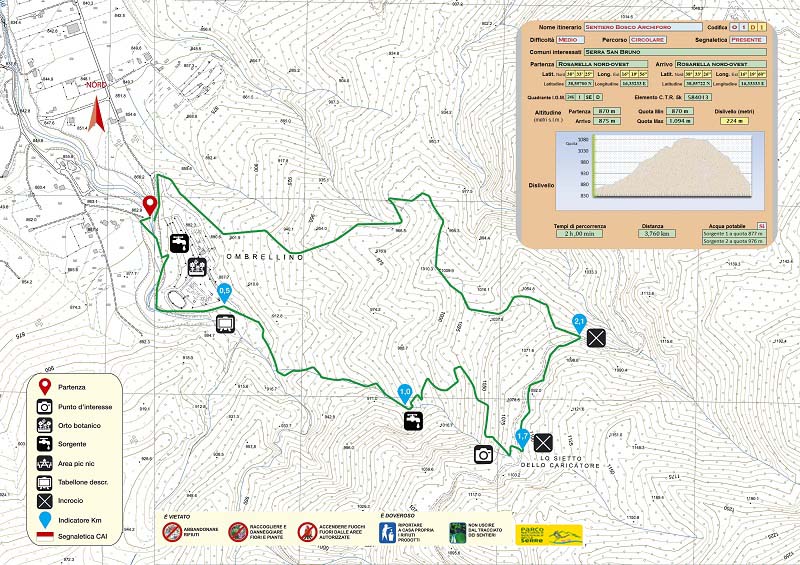
MUNICIPALITIES AFFECTED: Serra San Bruno (VV)
DEPARTURE: Parking lot at Rosarella Botanical Garden, Serra San Bruno (VV).
ARRIVAL: Northwest entrance Rosarella Botanical Garden, Serra San Bruno (VV).
ROUTE TIME: about 2 hours
DISTANCE: 4 km
LEVEL: 224 m
MAXIMUM ALTITUDE: 1,094 m above sea level.
MINIMUM ALTITUDE: 870 m above sea level.
DIFFICULTY: medium
Share
Description
The route starts from the clearing below the nursery in the locality of “Rosarella” and reaches “Pietra del Signore,” a place characterized by the presence of a granite batolite, and then returns along a stretch on a dirt road.
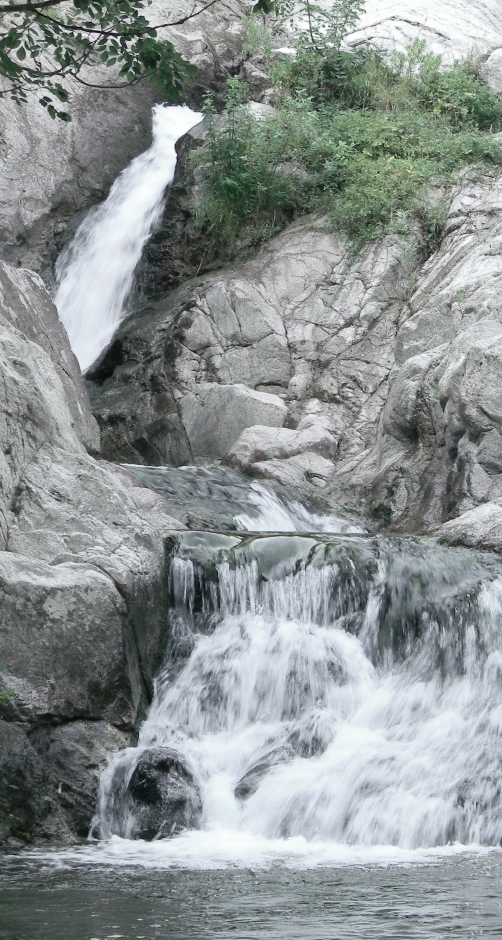
Having arrived in Serra San Bruno, we continue on the former SS 110 towards Mongiana, taking Via San Brunone, shortly after. Via Descartes and then Via Foibe that will take us to “Rosarella.” It goes up along the fence of the “Rosarella” nursery until it reaches the entrance to the Archiforus forest, marked by an information board. We now travel a picturesque stretch along a canal that will accompany us along with the creek, on our right, with the soothing swish of water that often forms small jumps. The path begins to climb among majestic beech and fir trees. The atmosphere is atmospheric.
The path through the forest is marked and beaten, recognizable by the presence of some works such as fences and walkways. A point marked by the presence of a small waterfall, a bridge and the reconstruction of a charcoal pile is reached. Here a spring will allow us to replenish our water supply.
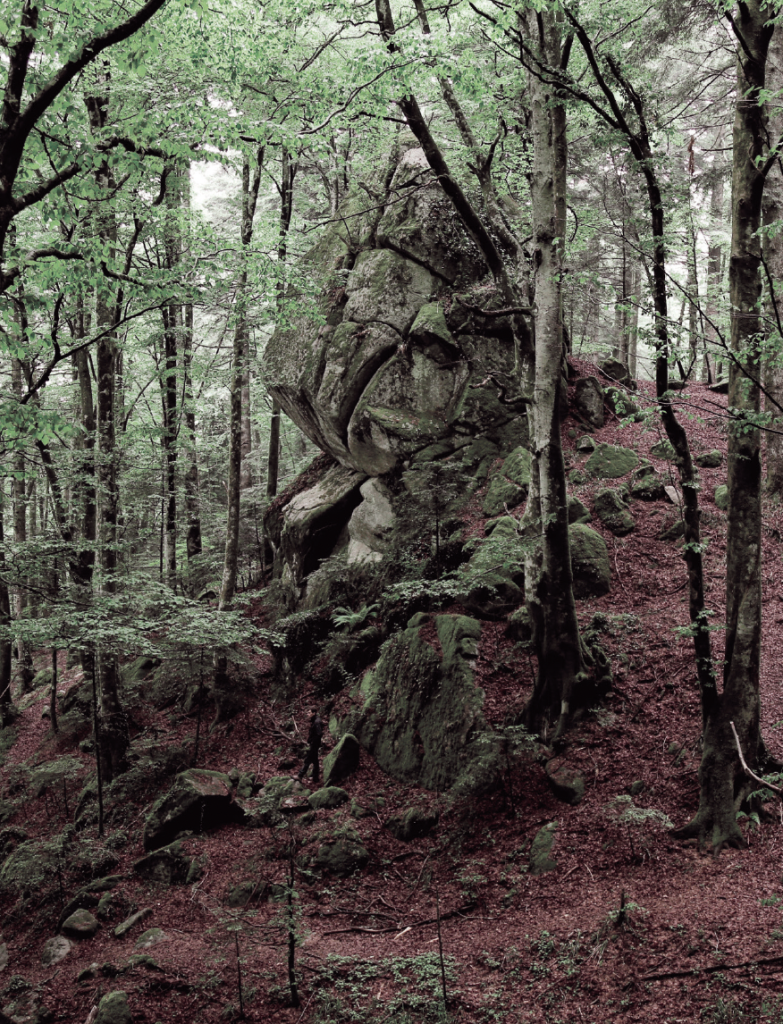
The path resumes, still uphill, facing a challenging section that will shortly take us to the granite group known as the “Lord’s Stone.” We pause to admire this formation and the view from its summit. A few meters behind “Lord’s Stone “runs a paved road. This is a cross-country road that connects to the former SS 110 at the junction to Arena on the Ninfo plain. Keeping the rock formation behind us, we turn left and travel about 390 m to cross, again on the left, a dirt road. This second section completely downhill will bring us back to the “Rosarella” nursery in about 40 minutes. Finally, continue on a paved road for another 240 m to return to the starting point. In the clearing in front of the entrance to the nursery we will find a picnic area where we can relax and spend some pleasant moments.
FIR-TREE
The white spruce is a majestic, slender and long-lived evergreen tree. As a relic of the last ice ages, it survives in southern Italy thanks to the microclimate of beech forests, which, especially when young, protect it from the glare of the summer sun. Given also its considerable height, in the past, between the 15th and 18th centuries, it was used as a mainmast for ships. Calabrian silver fir is one of the most valuable ecotypes in Europe in terms of morphology, growth rates and, most importantly, its demonstrated greater resistance to various adversities including acid rain.
CARBONAIA
For centuries one of the activities of importance to the local economy was the production of coal by imperfect burning of wood. Along the way we will be able to observe the reconstruction, in miniature, of a charcoal kiln (“lu scarazzu”). These sheaves of wood formed by a central chimney and other side vents, used for the purpose of regulating air draft, gave rise to the low-oxygen conditions needed to create coal.
STONE OF THE LORD
Natural balcony overlooking Serra San Bruno. Majestic example of the geological con-formation of this purely crystalline territory in which granites predominate, often surfacing in fascinating formations among the forests.
SPOTTED SALAMANDER
A cool, moist wooded environment, crisscrossed by small streams, is the ideal habitat for this curious amphibian easily recognized by its spotted coloration in which the yellow ones predominate over the black ones in the subspecies found in the south-central region. Its colors are used as a warning to predators, given the bad taste of this critter given by the mucus that covers it and keeps the skin hydrated. It is a predominantly nocturnal amphibian; it appears during the day only when the weather is rainy and wet. It feeds on earthworms, insects and mollusks.
LUNGWORT
On our way we will also be able to admire some rare species such as lobaria pulmonaria, named for its shape that resembles, in part, lung tissue. This lichen is an excellent bioindicator of the effects of air pollution. Lobaria has a history of use in traditional medicine as an anti-inflammatory as well as being used to produce an orange pigment for dyeing wool and leather.
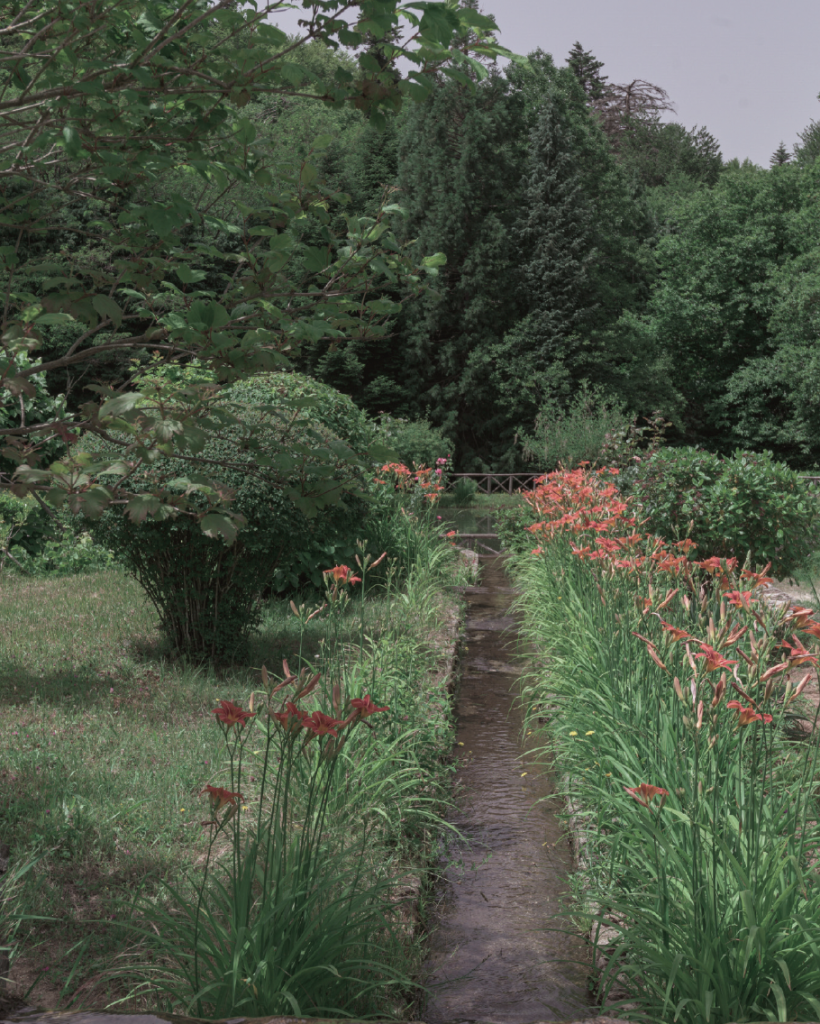
ROSARELLA BOTANICAL GARDEN
Tall white spruce trees enclose a beautiful area that gathers a wide variety of plants. A walk will take us to admire this treasure trove of species along with a beautiful man-made pond fed by an irrigation canal, a small marshy area and two greenhouses complete the area.