

Local traditions
Roots that endure, stories that are passed on
Share
Getting to know a community, understanding its core values, means delving into its roots starting with discovering their most natural way of expression, that is, savoring their traditions in their different facets.
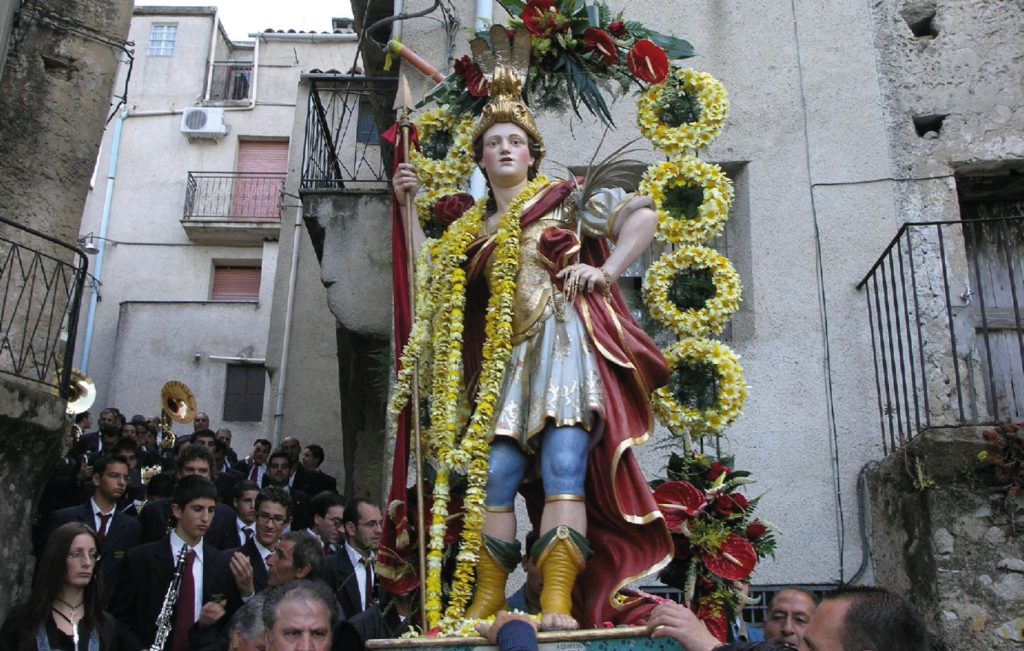
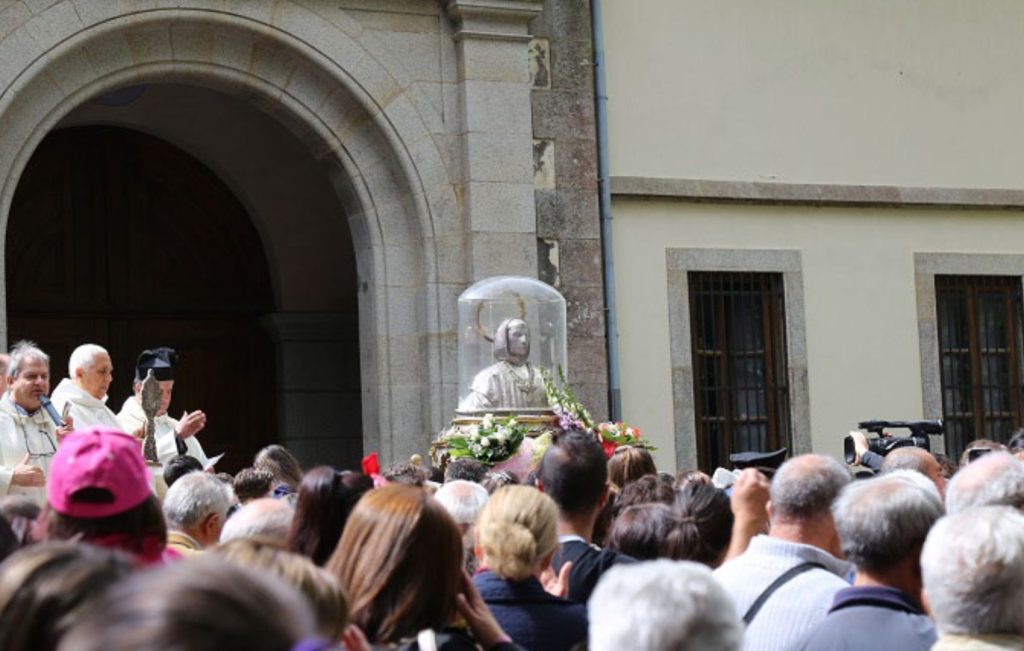
These essential elements of true social living are translated into beliefs, festivities, sometimes rituals that are concentrated in the summer season consuming themselves in the guise of processions, patronal festivals, sacred representations, neighborhood markets, fairs and festivals.
Colors, tastes, sounds, devotion and tales of perhaps legendary events are mixed in a context where the boundaries between the sacred and the profane are not always exactly defined.
The festivals (of tripe in Gerocarne, of “fileja” and sausage and ancient flavors in Maierato, of zeppole and strawberries in Pizzo, of “filatiedi” and potatoes in Polia, of “vijuazzu” in Acquaro, of wild boar in Nardodipace, of pasta and suriaca in Fabrizia, of chestnuts in Pizzoni and Davoli, of chickpeas and mushrooms in Serra San Bruno) and folkloric events (Palio di Ribusa in Stilo and Ballo del ciuccio during the feast of San Rocco in Serra San Bruno) constitute salient moments in which the community, rejecting the advancing secularization, rediscovers the sense of being together and shares it warmly with emigrants who have returned to their homeland and with tourists ready to nurture the spirit of concord typical of previous generations.
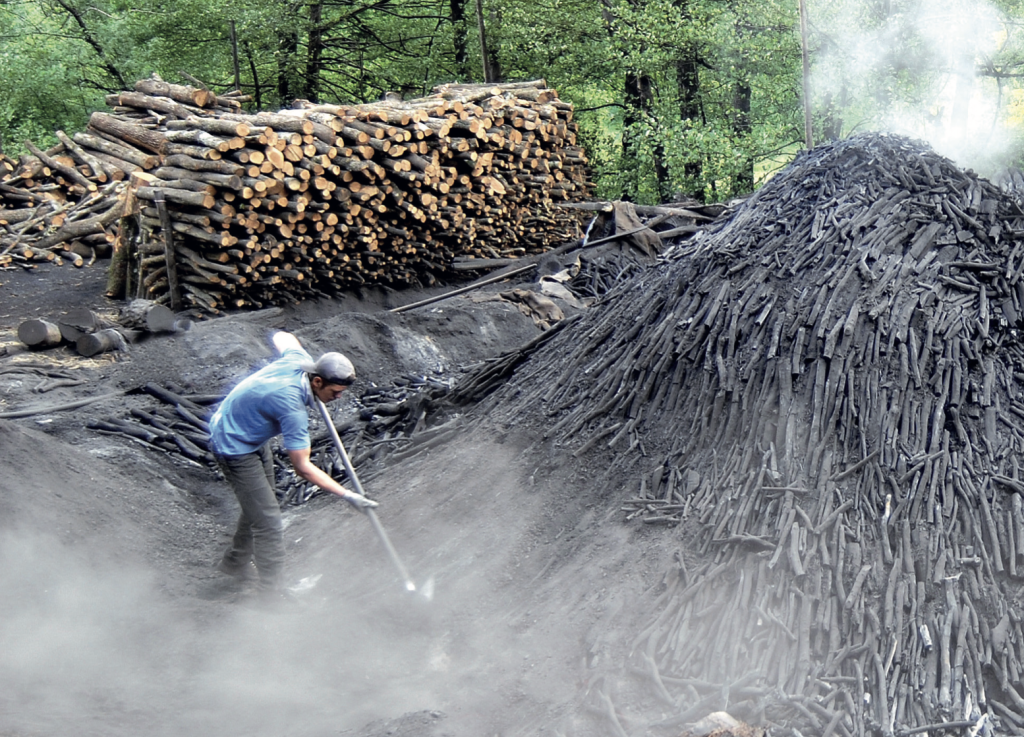
Coal production in the Serre has very ancient origins, dating back more than a thousand years, when coal was indispensable and was used along with ore in smelts to produce iron. Walking through the mountains one can notice here and there hundreds of “blobs,” many of them dating back several centuries, pitches about 7 meters in diameter created for the construction of “scarazzi,” domes formed from wood chunks stacked and covered with clods of earth. These domes, lit from the inside, were baked for about 20 days and, “tended” night and day with skill, led to the final production of coal. The charcoal burners would move into the woods with their families, living for months, from May until October, in wooden huts.
The Serre can be considered the most important location in Italy for the production of charcoal, especially for its quality, as it is produced exclusively from beech and holm oak wood. To this day, this ancient craft is still widely practiced by the same families who hand down this art from generation to generation, no longer in the woods far from population centers but in areas around Serra. Serra coal, until the 1960s, was marketed throughout Italy, for heating, braziers or irons. Today it is used exclusively for barbecues.
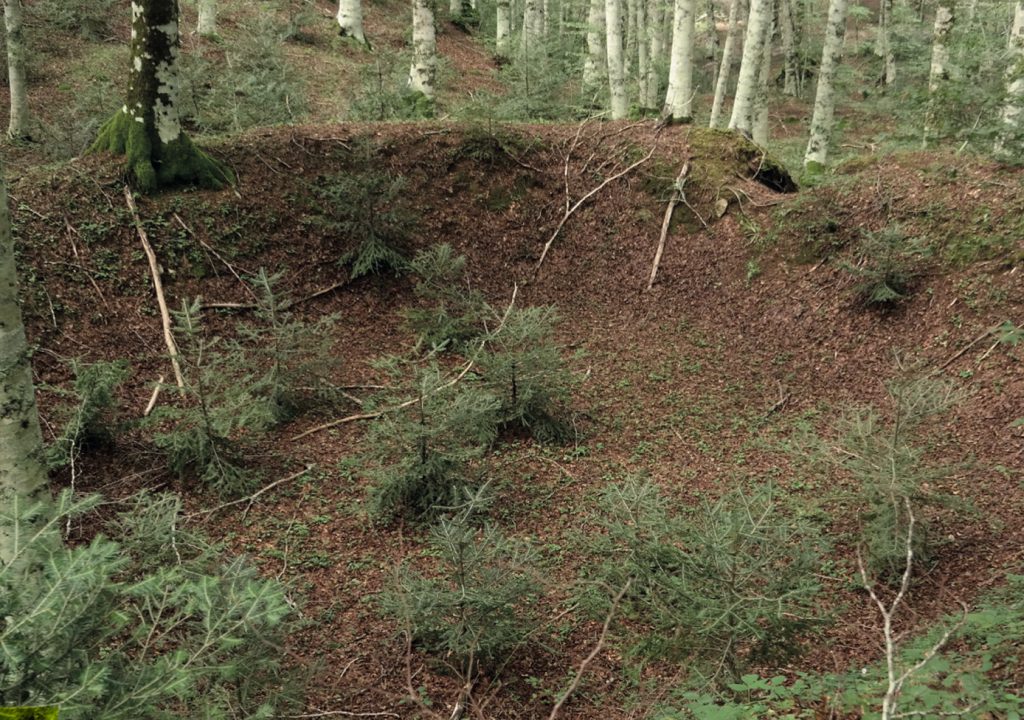
Another practice that was very active in the past within the Park’s territory is that of niviers. The nivieras are large hand dug holes, round in shape with a diameter of between five and nine meters and a depth of about two and a half meters. They were mostly built at the highest part of the mountain facing north, where snow stayed even until the end of August; some were built lower down near the village and were used in the early summer months. During the winter, when it snowed, the men would collect the snow in the hole and after reaching a certain level would trample it down until it turned to ice, sometimes dancing accompanied by some bagpipers; once filled, the hole was covered with branches and beech leaves and kept until the summer when it was then cut by the “mastru della niviera” into blocks of about 50 kilos, placed in a sack along with beech leaves and carried on the head by the women to the village. The snow was used as a coolant to make ice cream, mostly during the holidays. The managers of the niviere were usually the bar owners, but there were also other private individuals who practiced this activity. In marine towns such as Tropea, Mileto, Vibo Marina, and Nicotera, snow arrived by mule. There were many niviere scattered among the mountains, the most important and used until relatively recent times being on the ridge of Mount Pecoraro. This activity was practiced until the early 1950s when it was supplanted by the advent of refrigerators.